
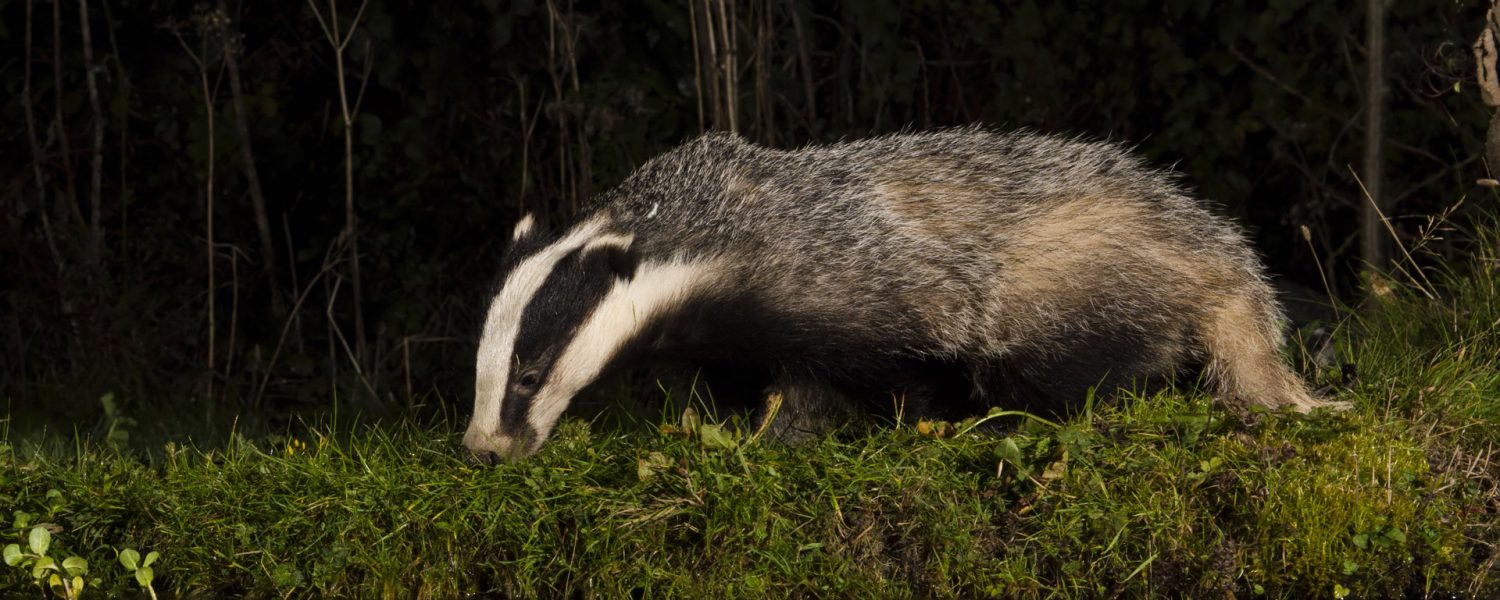
 The ‘perturbation effect hypothesis’ is the reported ‘negative’ effect of reactive and proactive badger culling, described in the Donnelly et al (2006) paper “Positive and negative effects of widespread badger culling on bovine tuberculosis in cattle” and also many other publications since 2003. The 2006 paper was one of the key published papers reporting on the findings of the Randomised Badger Culling Trial experiment (RBCT) 1998-2005.
RBCT reporting (Bourne et al 2007) theorized that culling could increase cattle TB incidence in culled and neighbouring (surrounding) areas by disrupting badgers’ territorial organization, resulting in their increased dispersal and theorised spread of disease within badgers and on to cattle. It was the ‘perturbation effect hypothesis’ that grabbed attention and initially delayed the consideration of badger culling, because of the claim that it was why badger culling might make bovine TB cattle herd breakdowns increase.
 The RBCT had three sets of trial areas; these were pro-active culling (badger density reduced by average 70%, reactive culling (100% culling around breakdown farms only), and no-cull control areas.
The ‘reactive’ arm of the RBCT culling trial was cancelled early because the experimenters suggested that bovine TB had increased. In reality, and mistakenly, insufficient data had been generated to propose any such result. A review by UK Chief Scientific Adviser Prof David King, suggested later (2007) that mass proactive badger culling could plausibly reduce bTB cattle breakdowns if done over a large enough area (to hard boundaries) and avoiding any perturbation effects if they existed at all (King 2007). This itself was stated without competent statistical checks; it was the perturbation effect hypothesis that drove mass culling of mostly healthy badgers over large areas as opposed to localized culling.
And so that is what has been undertaken since 2013. Instead of using reactive culling at and around known breakdown farms, ‘Intensive Culling’ was, over a period of years, rolled out over much of the High Risk Area and then the Edge Area. Often regardless of the local land use or the disease risk, if the ‘cull zone’ land was in the High Risk Area, the target was to kill 70% of the badger population, although the size of the population was often poorly understood and ‘guesstimated’. The result has been that over the last 13 years, more than 250,000 largely completely healthy badgers have been culled to unknown densities, using mainly a method opposed as causing unnecessary suffering by the British Veterinary Association.
Recent re-evaluation of the RBCT data and modelling has shown that there is an “Absence of effects of widespread badger culling on tuberculosis in cattle”, (Torgerson et al 2024, Torgerson 2025). There are no positive and no negative effects, because that is the true conclusion from normal and credible statistical appraisal and data selection from the RBCT experiment.
 While badgers, like deer and other mammals both domestic and wild can be infected with bovine TB, the extent to which they may be responsible for a small proportion of cattle herd infections, especially in intensive livestock systems is unknown. If it occurs, there is no reliable data available that wildlife transmission to cattle can establish, maintain or perpetuate – this falsehood has been normalised by a few authors keen to bolster wrong claims. Indeed the strongest available evidence lacks indication that wildlife controls, such as culling badgers, has an effect on reducing the incidence of tuberculosis in cattle. Failures of the bTB cattle testing system, on the other hand, allowing infection to hide and to be spread via cattle sales is widely understood and accepted.
The binomial analysis of the RBCT proactive cull data in the September 2025 Godfray panel policy review update, claims that there is still a benefit from badger culling, but at a much lower level of significance (P <0.05). However, this model leaves out the data for the all-important variable ‘time at risk’, which was also the downfall of the 2006 Poisson analysis of RBCT data. It provides no support for any effect of badger culling on cattle herd bTB breakdowns when undertaken correctly (see here). But by presenting the model as preferable to that in Donnelly 2006, it effectively removes the analysis that suggested a negative effect – the ‘perturbation effect hypothesis’ is therefore unsupported.
Thirteen years of the ineffective culling of quarter of a million badgers has been scientifically unjustified and why it was ineffective is now plain to see. There are no evidenced effects of badger culling, either positive or negative. Badger interventions of any kind are simply not be justified on the core policy science.
The upcoming Bovine TB control strategy refresh needs to reflect what has happened to the understanding of scientific developments in recent years and months. It is time to remove perceptions and obstacles based upon incorrect analysis and incorrect derivative studies, and to get on with the necessary enhanced cattle testing measures that are known to work but held back by unnecessary red tape. Before more money and resources are wasted, before animal welfare harm perpetuates, and before more rural lives are ruined. At the moment, policy is unsubstantiated, supported by unconvincing advice, based on biased conflicted opinions and uncertain evidence.
Discover more from The Badger Crowd - standing up for badgers
Subscribe to get the latest posts sent to your email.