
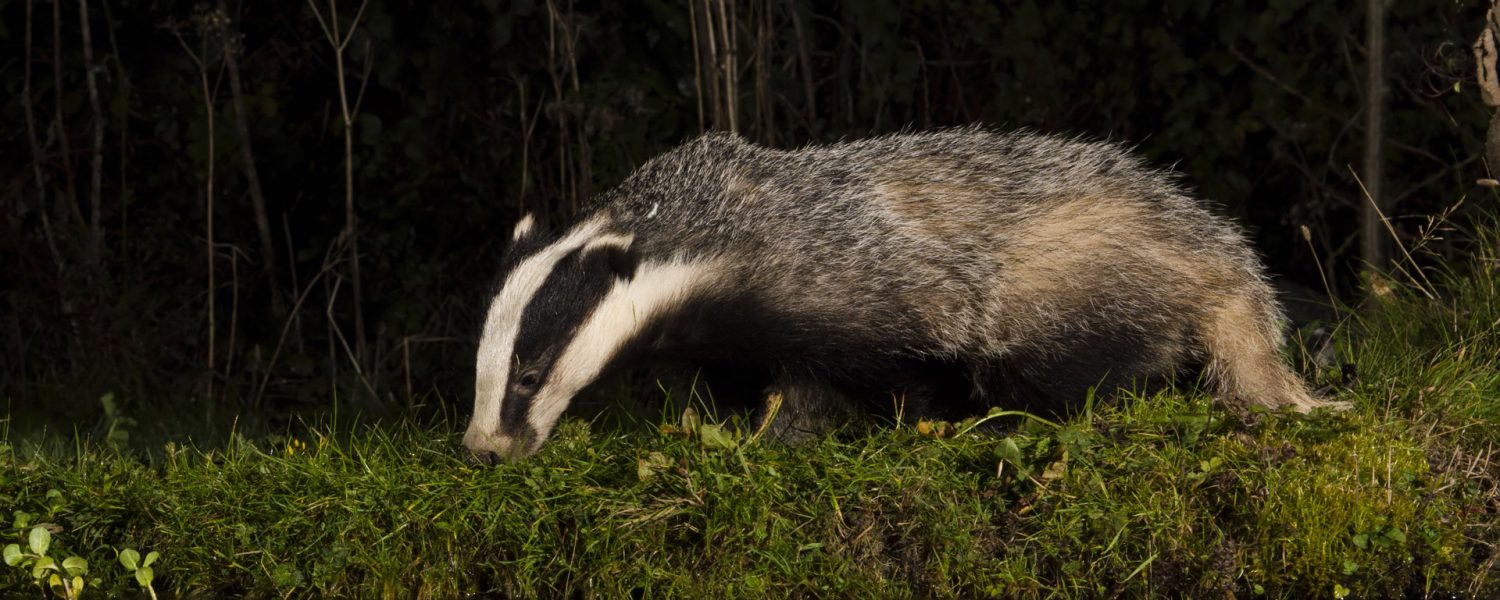
Stormont has backed wildlife intervention
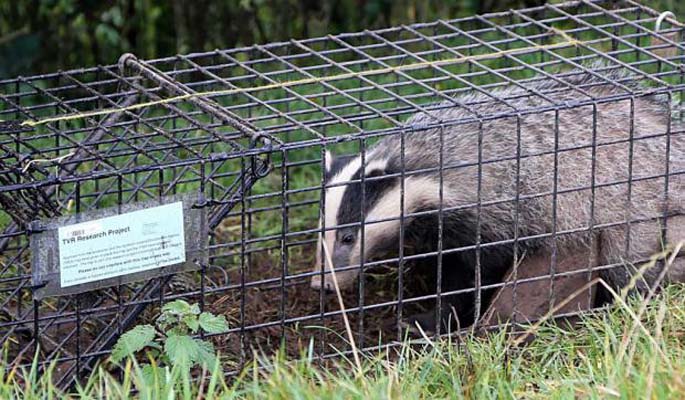 In April, Farmers Weekly reported (here), that Stormont (the Northern Ireland Assembly or government) has backed urgent action to address the lack of progress in tackling bovine TB in beef and dairy cattle herds. Farming minister Andrew Muir told Members of the Legislative Assembly:
“Bovine TB is not simply an animal health issue but one of the most persistent, complex and emotionally draining challenges facing our agri-food sector.”
Unlawful consultation process thwarted culling attempts in 2023
Previous attempt to introduce badger culling in NI five years ago, was successfully defeated in the High Court following a legal challenge by the Northern Ireland Badger Group & Wild Justice in 2023 (see here). Lawyers representing the NGO’s had said:“The Northern Ireland executive failed to provide consultees with the information that they needed to have any hope of providing informed responses to their suggestion of a badger cull. They have also failed to show that there aren’t other reasonably practicable alternatives to culling, which is what is needed in order for the executive to allow, and even encourage, the killing of this protected species.”
At the heart of discussions coordinated by DAERA is a demand for a ‘comprehensive’ eradication strategy, including a wildlife intervention component. This is similar to the ‘all tools in the toolbox’ ideas of Defra back in 2012. Muir has said a ‘science-led’ approach would guide decisions but following the court ruling that quashed previous cull plans, warned any wildlife intervention can proceed only after a fresh, legally compliant consultation.
Ulster Famers’ Union demands wildlife intervention
Ulster Farmers’ Union deputy president Glenn Cuddy has been applying pressure on DAERA, saying :
“The assembly has now spoken with one voice on the seriousness of this issue. Action to eradicate bovine TB, including wildlife intervention, must now be delivered without further delay”.
Addressing the British Veterinary Association/Northern Ireland Veterinary Association reception at the Balmoral Show on 13th May 2026 (here), Muir recognised the “unacceptable costs” that the spread of bovine TB had imposed on farmers’ wellbeing, income and also upon the public purse. In addition to planned changes to cattle measures, he said that:
“Significant progress has been made in preparing a consultation on potential wildlife intervention options, which will issue shortly, following completion of the required environmental assessments and engagement with the Partnership Group.”
The commitment to consult on badger culling
Back in October 2025, during ‘Answers to Questions’ in the Northern Ireland Assembly (here), Andrew Muir made an obscure reference to cherry picking;
“We will follow a process; we will do this right. We will consult on the wildlife interventions, and we will take decisions on the way forward. We have to learn lessons from how we did it previously, and we have to respect the science and evidence, not, as some people have done, cherry-pick.”
The new proposal:
TB Partnership Steering Group’s Bovine TB in Northern Ireland: Blueprint for Eradication
DAERA’s industry-dominated committee the TBSPG has helped develop a new ‘regionalised’ approach (here) that has selected a region within NI with a mid-high risk level for bTB to apply comprehensive wildlife, cattle and people measures in combination. The plan is to determine the optimal measures for bTB control and future eradication, but it is not clear how outcomes will be scientifically measured.
Along with new cattle measures, a badger and sett survey (17 areas) has been done over winter 2025/spring 2026. DAERA propose to undertake two years of a Test, Vaccinate or Remove badgers (TVR) programme within the regionalisation area. There is a strong suggestion that TVR could move to targeted or intensive culling should TVR results prove unsatisfactory, although how this can be measured has not been disclosed.
Because of the way this project has cut across measured discussions in 2024/5 towards a new approach, the Northern Ireland Badger Group has withdrawn from the TB Partnership Steering Group. This is in protest at the sudden introduction of an unevidenced wildlife intervention proposal, driven by funding and advocacy from the Republic of Ireland using EU funding.
Previous studies point to cattle as driver of bTB
An earlier TVR research project (see here) carried out a decade ago found that culling badgers had no measurable effect on cattle TB breakdown incidence in the project area. The Abstract from the published study reported that the main explanatory variables (what was causing new disease outbreaks) for the breakdowns were bTB herd history and number of bTB infected cattle. It concluded:
“This finding is consistent with other study results conducted as part of the TVR project that suggested that the main transmission route for bTB in the area was cattle-to-cattle spread.”
A more recent Whole Genome Sequencing analysis (see here), similarly concluded that “….badger-to-badger transmission is not playing a major role in transmission dynamics. Our data were consistent with badgers playing a smaller role in transmission of M. bovis infection in this study site, compared to cattle. And that cattle to cattle infection was driving bTB disease dynamics.”
Same as in England then?
These findings concur with independent analyses that show that badger culling in England had no effect on cattle TB (see here). And recent reanalyses of the RBCT (see here, here and here) show that basic statistical oversight was responsible for a theorised disease benefit to cattle from culling badgers in the first place. Northern Ireland should really learn from England’s experience. Forget badger interventions and poor advice from DEFRA officials, and get on with dealing with the disease in cattle properly. And most of all, stop relying on antiquated cattle tests and testing rules within a straightjacket of government veterinary dogma.
Discover more from The Badger Crowd - standing up for badgers
Subscribe to get the latest posts sent to your email.